 United States
 Canada
 Europe

 Canada
 Europe






Dirt biking in 2026 doesn’t look much like it did a few years back. Now, riders really have to pick a side: stick with classic gas bikes or go ahead with the electric scene. What started as this weird little experiment with electric bikes has turned into a real option; it’s got people arguing everywhere from race tracks to backwoods trails.
Electric dirt bikes are catching on fast. Riders love the instant power, the near-silence, and all the new safety features. Even some die-hard gas fans are making the switch, which would've sounded crazy not long ago. Still, gas bikes aren’t fading away. Here is a detailed guide on electric vs gas dirt bike, discussing their performance, environmental impact, and much more.

Understanding the Basics of Electric and Gas Dirt Bikes
Electric dirt bikes run on rechargeable batteries and motors that kick in as soon as you twist the throttle. Honestly, the whole thing is way simpler than a gas engine. No exhaust pipes, no messy fuel mixing, and not much that can go wrong. You just get on and ride—no fumes, no noise, no emissions.
Gas dirt bikes, on the other hand, run on good old gasoline. Riders have counted on them for ages, and for a reason. They deliver that classic, punchy performance, and there’s something about the sound and feel that just feels right if you grew up with it. But you’ll spend more time on maintenance, listen to the engine roar, and you’ll get to know your local gas station pretty well.
So, what gas dirt bike or electric dirt bike pros and cons really set them apart? Let’s take a closer look.
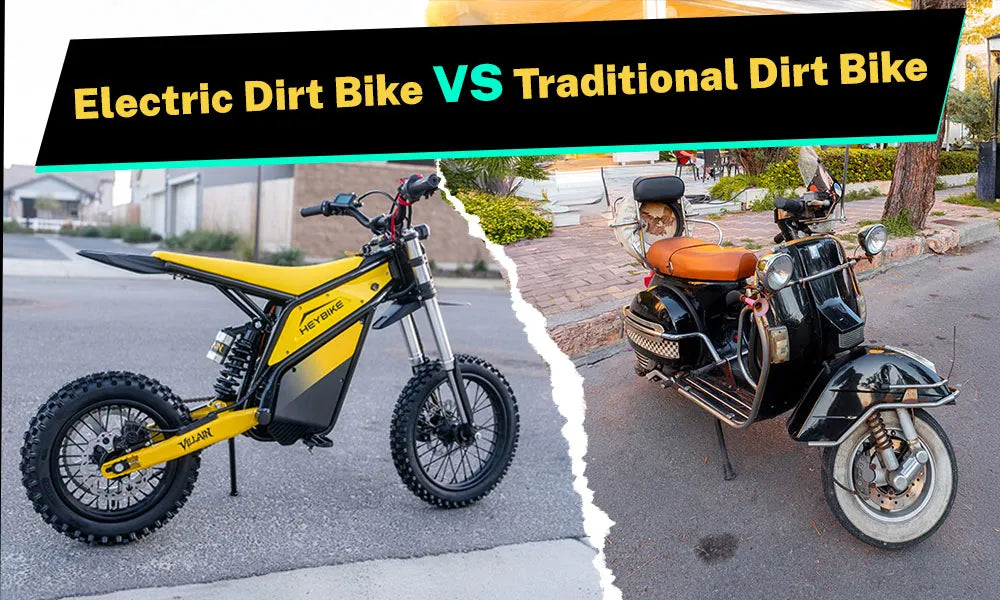
Electric Dirt Bike VS. Traditional Dirt Bike
Below is a side-by-side breakdown highlighting the electric dirt bike pros and cons compared to gas-powered options, helping riders make an informed choice.
-
Maintenance and Upkeep
This is where electric bikes really start to shine. No oil changes, no spark plugs, no carburetors, no fuel system headaches, none of that exists on an electric bike. They’re almost laughably easy to take care of. Lube the chain, keep an eye on the tires, and that’s basically it. If you’d rather be out riding than stuck in the garage with a wrench, that’s a huge plus.
Gas bikes, on the other hand, are needy. Miss a maintenance check, and you’ll pay for it with sluggish performance or a fat repair bill. Clutches wear down, chains need attention, air filters clog up, and if you’re not careful, you can even seize an engine.
-
Cost of Ownership
Electric dirt bikes cost more upfront, no way around that. You’re paying for fresh tech and better batteries. But if you look at what it really costs over a few years, the story changes. Plug them into a wall outlet, and a full charge usually costs less than a buck. Maintenance stays cheap because there’s just less stuff to deal with.
After two or three years, the electric bike often ends up being the cheaper option, even though you paid more at the start. With a gas bike, you’re always buying fuel. Ride a lot, and those fill-ups add up quickly. Then there’s the maintenance, oil, filters, spark plugs, and the repairs once things wear out.
-
Performance and Speed
Twist the throttle on an electric bike, and it just goes, instant torque, no waiting for the engine to wind up, no clutch, no gears to shift. The power’s just there, right away. These electric dirt bike advantages make it super responsive, especially when you need fast acceleration on tricky trails.
Gas bikes usually win when it comes to top speed. They can hold higher speeds for longer, and you don’t have to worry about running out of juice. But out on real trails—tight corners, steep climbs, rough terrain—electric bikes keep up just fine. Their smooth, controlled power gives you a ton of confidence.
Range is the weak point for electrics. Depending on how hard you ride, you’ll get anywhere from 30 to 90 minutes before you need to plug in. Gas bikes can go for hours on one tank.
-
Environmental Impact
Electric dirt bikes don’t make exhaust. No fumes, no oil leaks, no environmental guilt. If you care about your footprint on the trails or in the wild, this is a big deal. The clean ride of electrics is opening up spots that are shutting out gas bikes. Some trails that won’t allow noisy, polluting gas bikes are starting to let electrics in.
Gas bikes spit out exhaust. Two-stroke engines are the worst; they pollute more in an hour than most cars. Even four-stroke engines aren’t clean. As rules get stricter, more places are banning gas bikes.

-
Noise and Riding Experience
Electric bikes are quiet. You can talk while you ride, hear the tires on dirt, the wind, birds, everything except an engine roaring. That silence has real perks. You can cruise through neighborhoods on the way to trails without ticking off the neighbors. Landowners are more likely to let you ride on their property if you’re not making a racket.
Gas bikes are loud, and for some riders, that’s half the fun. The engine noise is part of the thrill. But that sound is also why more and more places are cracking down on where gas bikes can go. Complaints from neighbors, hikers, and even wildlife groups are a constant headache for gas riders.
-
Durability and Terrain Handling
Gas dirt bikes have proven they can handle anything. Decades of hard riding, every kind of terrain, and they keep coming back for more.
Electric dirt bikes have stepped up their game, though. Good ones now come with beefed-up frames, serious suspension, and batteries that can take a beating. Mud, rocks, steep hills, they can handle it all. The trick is to stay away from cheap electric bikes that cut corners. Quality electric dirt bikes are just as tough as gas bikes, and with fewer moving parts, there’s less to break when you crash or hit something hard.
Additional Consideration: Safety and Beginner Accessibility
Safety and usability are now key concerns for purchasers, particularly parents and first-time riders, as electric dirt bikes grow more popular. When contrasting gas and electric dirt bike alternatives in 2026, this factor is crucial.
-
Built-In Safety Technologies
Electric dirt bikes pack in safety features that gas bikes just don’t have. Most come with automatic kill switches, which cut the power if the bike tips over. Throttle protection keeps you from accidentally taking off, and some of the smart controllers can actually sense a crash and shut the whole thing down right away.
These aren’t just bells and whistles. They really help keep riders safer, especially if you’re new and still figuring out how to stay upright.
-
Easier Learning Curve for New Riders
Learning on a gas dirt bike is tough. You’ve got to juggle the clutch, shift gears, balance, and steer, all at once. It’s a lot. Electric bikes skip the clutch and gears completely. Power’s just there, smooth and steady. So, beginners can just focus on not falling over, steering, and braking, without worrying about stalling or being stuck in the wrong gear. It makes picking up the basics way easier and a lot less frustrating.
-
Speed Control and Riding Modes
Most electric bikes let you control the speed and how fast the power comes on. You can set them to be mellow when someone’s just starting, then crank things up as they get better. Gas bikes? You get all the power right away, ready or not.
-
Parent-Friendly Peace of Mind
Parents love these features, too. Gas bikes are loud, wild, and honestly a little scary to watch your kid ride. Electric bikes are quieter and come with built-in speed limits and automatic shut-offs, which takes a lot of the stress out of the whole thing. Being able to set limits and actually control how the bike behaves gives parents peace of mind that gas bikes don’t.

Why Choose the Heybike Villain Electric Dirt Bike?
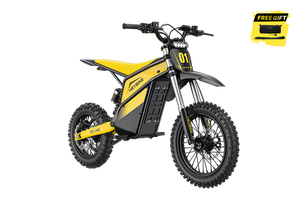
The Heybike Villain shows just how far electric dirt bikes have come. You get real power and speed, but you don’t have to give up comfort or safety to get it. It’s made for riders who want the punch of electric power but still crave that classic riding rush.
-
High-Performance Electric Power
You’ll feel it the second you twist the throttle: instant torque, quick acceleration, and a smooth flow of power that doesn’t jerk you around. It keeps up with gas bikes, but the experience feels more refined and easier to control.
-
Designed for Safety and Control
Safety isn’t an afterthought here. The Villain packs in smart features like throttle protection and an emergency cut-off, so you’re not left dealing with runaway bikes or scary situations after a crash. These touches make it a good pick whether you’re a seasoned rider or just starting and wanting to feel secure on the trail.
-
Low Maintenance, High Convenience
Then there’s the maintenance—or really, the lack of it. Forget about oil changes, mixing fuel, or constant tinkering. The Villain keeps things simple, so you spend less time fixing and more time riding. That’s good for your wallet, too.
-
Built for Modern Riding Lifestyles
It’s built for the way people ride now. It runs almost silently, so you can hit more spots without bothering anyone. No emissions, which fits right in with the shift toward cleaner, greener fun. Whether you’re tearing up trails, cruising on private land, or heading into places where gas bikes aren’t allowed, the Villain just fits.
FAQs About Electric and Gas Dirt Bikes
1. Are Electric Dirt Bikes Better Than Gas Dirt Bikes?
Electric dirt bikes are better for riders who value low maintenance, quiet operation, and eco-friendly riding. Gas dirt bikes may still appeal to those seeking traditional engine sound and long-distance refuelling convenience.
2. What Are the Main Gas Dirt Bike Disadvantages?
Gas dirt bike disadvantages include higher maintenance costs, fuel dependency, louder noise, and exhaust emissions, which can limit riding locations.
3. What Are the Biggest E-Dirt Bike Benefits?
Key benefits of e-dirt bikes include instant torque, reduced upkeep, cleaner energy use, and beginner-friendly safety features.
4. Which Is Better for Teen Riders?
Electric dirt bikes are generally safer for teens due to speed control options and emergency shut-off systems, making them more parent-approved.
Closing Statement
Electric dirt bikes have pulled ahead of gas bikes in several important areas: maintenance requirements, environmental impact, and built-in safety features. As battery technology continues improving and more riding areas restrict gas-powered vehicles, electric bikes are becoming the smarter choice for riders who want modern performance, practical convenience, and riding experiences that won't become obsolete as regulations change.
Share:
Beginner’s Guide to Off-Road Riding: Safety Tips & Gear
Heybike Villain: What Makes It the Best Electric Dirt Bike for Riders