 United States
 Canada
 Europe

 Canada
 Europe


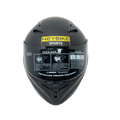
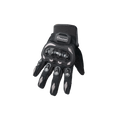
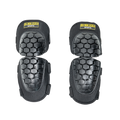
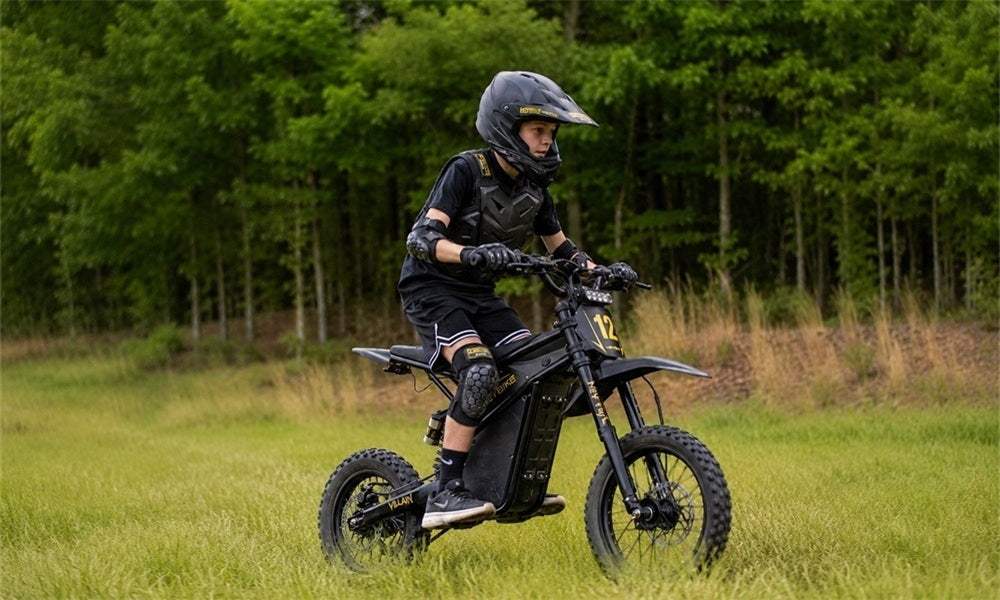
An electric dirt bike puts different demands on the rider than a regular bicycle. It can accelerate quickly, lose traction on dirt or gravel, and expose the rider’s hands, knees, ankles, chest, and face when balance is lost.
You do not need a full racing setup for your first ride. You do need a clear protection setup before getting on the bike.
This guide explains what safety gear to wear on an electric dirt bike, what each item does, and how to build a practical setup for first rides, backyard practice, dirt trails, and group rides.
What Safety Gear Should You Wear on an Electric Dirt Bike?
At minimum, wear a helmet, gloves, knee protection, over-ankle footwear, and durable clothing before riding an electric dirt bike. For dirt trails or gravel paths, add eye protection, chest protection, and stronger footwear.
The goal is not to buy every accessory at once. Start by protecting the areas most likely to hit the ground or lose control first: head, hands, knees, feet, and upper body.

Minimum Safety Gear Before Your First Ride
| Gear | Why it matters |
|---|---|
| Full-face helmet or off-road helmet | Helps protect the head and face if the rider falls forward or sideways. |
| Gloves | Help protect the hands and keep grip on the handlebar, throttle, and brake levers. |
| Knee guards | Help protect the knees during side slips, low-speed falls, or sudden foot-down moments. |
| Over-ankle footwear or riding boots | Gives the foot and ankle more support than casual sneakers. |
| Long pants and long sleeves | Help reduce scratches and abrasion from dirt, gravel, brush, or sliding contact. |
This is the baseline setup. Do not skip it just because the ride is short. Many beginner falls happen while practicing turns, braking, stopping, or getting used to throttle response.
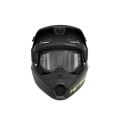
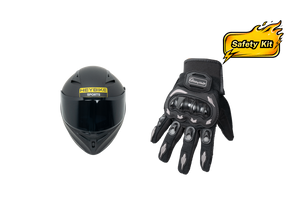
For Heybike riders, the Heybike Full-Face Helmet, Heybike Dirt Bike Gloves, and Heybike Dirt Bike Knee Guard can be considered as part of a basic first-ride protection setup. For a bundled starter option, Safety Kit: Ride Protected can help group the essentials in one place.
Why Electric Dirt Bike Gear Is Different From Bicycle Gear
Electric dirt bike riding usually happens on dirt, gravel, grass, trails, or uneven ground. These surfaces create different risks than regular cycling.
Loose ground can shift under the tire. Gravel can slide during turns. Grass may hide bumps or wet spots. A rider who feels stable on pavement may feel less stable when braking, turning, or stopping on loose terrain.
Electric power can also feel smooth, which may cause new riders to underestimate speed during the first few rides. When that happens, small control mistakes can happen quickly.
That is why gloves, knee guards, and proper footwear are not just comfort items. They help the rider maintain control and protect common contact points if balance is lost.

For example, when a rider loses balance on gravel, they may instinctively put one foot down. Low-cut sneakers offer limited ankle support. If the rider falls sideways, the knee may hit first. If they reach out with their hands, gloves can help reduce abrasion and protect the palms.
Not all bicycle gear is wrong, but riders should check whether their gear is suitable for motorized off-road use. A lightweight bicycle helmet may work for casual cycling, but it may not offer the face coverage expected for electric dirt bike riding.
Build Your Electric Dirt Bike Protection Setup in Three Levels
A good safety setup should match the riding risk. A short backyard practice ride and a dirt trail ride do not need the exact same gear.
| Setup level | Best for | Recommended gear |
|---|---|---|
| Level 1: First ride | First test rides, backyard practice | Helmet, gloves, knee guards, over-ankle footwear, long pants, long sleeves |
| Level 2: Trail-ready | Dirt trails, gravel paths, loose terrain | Full-face or off-road helmet, goggles or visor, gloves, knee guards, chest guard, durable pants, stronger footwear |
| Level 3: Longer or rougher rides | Longer trails, group rides, mixed off-road surfaces | Stronger boots, elbow protection, body armor, hydration pack, and other ride-specific gear |
How to Choose the Right Helmet
Helmet choice should start with coverage, fit, and visibility, not color or style.
A helmet should stay secure when the rider turns their head, looks down, or moves over uneven ground. It should also work with eye protection when the trail is dusty or windy.
| Helmet type | Better suited for |
|---|---|
| Full-face helmet | First rides, general protection, beginner use |
| Off-road helmet with visor | Dirt trails, outdoor riding, glare, dust, and debris |
| Open bicycle-style helmet | Casual cycling; suitability for electric dirt bike riding should be checked carefully |
A helmet should feel snug, not loose. It should not slide forward over the eyes, shift side to side, or lift when the rider moves.
Before riding, check that:
- The helmet sits level on the head.
- The chin strap is fastened.
- The helmet does not shift easily.
- The rider can see clearly.
- The helmet does not create painful pressure points.
For first rides or general electric dirt bike use, the Heybike Full-Face Helmet can be a practical starting point.
Gloves, Knee Guards, Chest Guards, and Footwear
Protective gear is easier to choose when riders understand what each item does. Gloves, knee guards, chest guards, and footwear protect different areas and support different parts of riding control.
Dirt Bike Gloves
Gloves help protect the hands from abrasion, dirt, small impacts, and trail debris. They also help maintain grip when the rider’s hands are sweaty, dusty, or cold.
For electric dirt bike riding, gloves should still allow the rider to operate the controls. Gloves that are too thick or stiff may make braking or throttle control less precise. Gloves that are too thin may feel comfortable but offer limited coverage for dirt riding.
A good glove should:
- Fit close to the hand without bunching.
- Allow the rider to bend fingers naturally.
- Keep the palm in steady contact with the grip.
- Avoid interfering with braking.
- Stay secure around the wrist.
The Heybike Dirt Bike Gloves can be considered for riders who want hand protection without losing control feel.
Dirt Bike Knee Guards
Knees are exposed when a rider slips sideways, falls during a turn, or puts a leg down quickly on loose ground. That makes knee guards useful for beginners and riders practicing on dirt or gravel.
A good knee guard should:
- Cover the knee area properly.
- Stay in place when the rider bends.
- Not slide down while walking or mounting the bike.
- Allow natural movement.
- Fit the rider securely.
The Heybike Dirt Bike Knee Guard fits naturally into a first-ride or trail-ready setup.
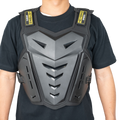
Dirt Bike Chest Guard
A chest guard becomes more useful when the rider moves from simple practice to dirt trails, gravel, brush, or group rides.
It can add coverage against:
- Trail debris
- Brush and branches
- Gravel kicked up by another rider
- Minor front-body impacts
- Contact with uneven ground during a fall
A chest guard should not restrict movement. The rider should still be able to turn, lean, reach the handlebar, and brake comfortably.
For dirt trails or group riding, the Heybike Dirt Bike Chest Guard can be added to a trail-ready protection setup.
Footwear and Clothing
Casual sneakers, shorts, and thin clothing may feel fine before riding, but they are weak choices for dirt, gravel, or brush.
Over-ankle footwear adds coverage around the foot and ankle. Long pants and sleeves help reduce scratches and abrasion from dirt, plants, or sliding contact.
Before riding, check that:
- Shoes cover the ankle.
- Laces are tied and secured.
- Pants are not loose enough to catch.
- Sleeves allow comfortable control.
- Nothing hangs near the chain, wheel, or moving parts.
Safety Gear Setups by Riding Scenario
The right setup depends on where and how the rider uses the electric dirt bike.
| Riding scenario | Recommended gear | Why it matters |
|---|---|---|
| Backyard practice | Helmet, gloves, knee guards, long sleeves, long pants, over-ankle footwear | Covers common beginner contact points during low-speed practice. |
| Dirt trail or gravel path | Helmet, goggles or visor, gloves, knee guards, chest guard, durable pants, stronger footwear | Adds protection for loose surfaces, debris, brush, and uneven terrain. |
| Group ride or dusty trail | Helmet, goggles or visor, gloves, chest guard, long sleeves | Helps manage dust, flying debris, and reduced visibility behind another rider. |
For practice, do not skip gear. First rides often involve sudden stops, awkward turns, and quick foot-down reactions. The rider may not be going fast, but low-speed falls can still scrape hands, knees, and elbows.
For dirt trails or gravel paths, add more coverage. Loose surfaces make turning and braking less predictable, and debris can hit the rider’s legs, chest, or face.
For group rides or dusty trails, eye protection becomes especially important. If dust makes the rider blink or look away, control can suffer. A chest guard can also help with debris kicked up during group riding.
Pre-Ride Protection Checklist
Safety gear only helps when it is worn correctly. Before every ride, check fit, straps, visibility, and control.
Before riding, check:
- Helmet sits level on the head.
- Chin strap is fastened.
- Helmet does not shift easily.
- Goggles or visor are clean.
- Gloves allow easy throttle and brake control.
- Knee guards stay in place when bending.
- Chest guard does not restrict arms, shoulders, steering, or braking.
- Footwear covers the ankle.
- Laces are tied and tucked.
- Nothing hangs near the chain, wheel, or moving parts.
A simple brake and throttle check before moving can reveal whether gloves are too bulky or gear is restricting movement.
Common Safety Gear Mistakes to Avoid
Most safety gear problems come from wrong gear, poor fit, or skipped protection.
Using a Bicycle Helmet Without Checking Suitability
A bicycle helmet may be designed for regular cycling, not motorized off-road riding. That does not mean every bicycle helmet is useless, but riders should check intended use, coverage, and safety information before relying on it.
For electric dirt bike riding, a full-face helmet or off-road helmet is usually a stronger starting point because it adds more coverage around the face and head.
Wearing Sneakers or Casual Clothing
Casual sneakers may not support the ankle well. Shorts and thin shirts can leave skin exposed to gravel, brush, or sliding contact.
A better setup includes over-ankle footwear, long pants, and long sleeves. For rougher trails, riders should consider stronger boots and more durable riding clothing.
Buying Gear That Does Not Fit
Gear that does not fit correctly can shift, distract the rider, or fail to cover the right area.
Common fit problems include:
- A helmet that moves when the rider turns their head
- Gloves that bunch around the palm
- Knee guards that slide down
- A chest guard that restricts arm movement
Check fit while the rider is moving naturally, not only while standing still.
Skipping Gear for “Just a Quick Ride”
Short rides still need protection. A quick test ride can include the same beginner mistakes as a longer ride: braking too hard, turning awkwardly, putting a foot down suddenly, or sliding on loose ground.
A minimum setup should be used every time:
Set Up Your Heybike Villain With the Right Safety Gear
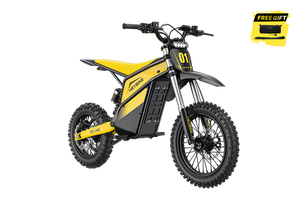
If you are preparing to ride the Heybike Villain, start with the basic protection setup first: helmet, gloves, knee guards, over-ankle footwear, long pants, and long sleeves.
For a simple starter setup, pair the bike with the Heybike Full-Face Helmet, Heybike Dirt Bike Gloves, and Heybike Dirt Bike Knee Guard.
If you want a bundled option, Safety Kit: Ride Protected can be used as a starter safety gear setup.
For dirt or gravel riding, add more trail protection such as the Heybike Dirt Bike Chest Guard, eye protection, durable clothing, and stronger footwear.
Keep the setup practical. The goal is not to buy every accessory at once. The goal is to match the rider’s gear to the riding surface, speed, and experience level.
FAQ About Electric Dirt Bike Safety Gear
What safety gear do you need for an electric dirt bike?
At minimum, wear a helmet, gloves, knee protection, over-ankle footwear, and durable clothing. For dirt trails or gravel riding, add eye protection, chest protection, stronger footwear, and more durable riding clothes.
Is a bicycle helmet enough for an electric dirt bike?
It depends on the helmet and the riding situation. For motorized off-road riding, a full-face helmet or off-road helmet is usually a stronger starting point because it offers more coverage.
Should beginners wear a full-face helmet?
Yes. Beginners should prioritize more coverage because they are still learning speed control, braking, turning, and balance.
Are gloves necessary for electric dirt bike riding?
Yes. Gloves help protect the hands and maintain grip on the handlebar, throttle, and brake levers. They should protect the hand without making braking or throttle control harder.
Do I need a chest guard for trail riding?
A chest guard is useful for dirt trails, gravel, brush, group riding, and areas where debris may be kicked up. It should fit securely without restricting arm movement, steering, or braking.
What should I wear for backyard practice?
For backyard practice, wear a helmet, gloves, knee guards, long sleeves, long pants, and over-ankle footwear.
Share:
Ultimate Electric Dirt Bike Buying Guide: How to Choose the Best Ride in 2026
Can’t Submit Your Order Payment? Full Guide to Resolve Transaction Failures & Finish Checkout Smoothly