 United States
 Canada
 Europe

 Canada
 Europe


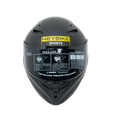
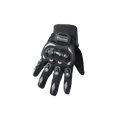
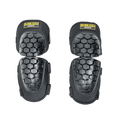
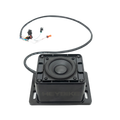


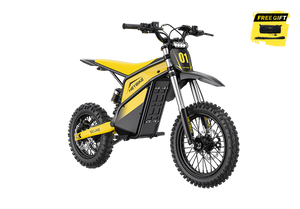
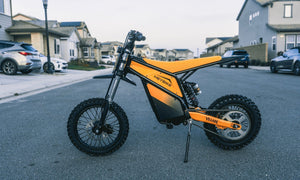
An electric dirt bike brake check starts with three questions: do both controls feel normal, do the brakes hold the bike when you push it, and can you make a smooth, predictable stop at walking speed? Check before every ride, and repeat the check after a fall, wheel removal, or a noticeable change in braking.
Electric dirt bikes do not need engine maintenance, but their brakes still work against mud, water, vibration, and repeated stops. For everyday recreational riding, a useful check is short and repeatable. You do not need to turn each ride into a workshop session; you do need to recognize when a small change affects stopping.
A quick electric dirt bike brake inspection before riding
Choose level ground away from traffic and other riders. Keep the bike powered off for the stationary checks, and keep hands away from the rotor and moving wheel. A recently used brake rotor can be hot.
1. Check the controls and lever feel
Identify which control operates each brake; do not assume every bike uses the same arrangement. Many compact electric dirt bikes use two hand levers, while other designs include a foot control.
Squeeze each hand lever separately. It should build resistance and return freely when released. Compare it with how the bike normally feels. A lever that suddenly feels soft, travels much farther, touches the handlebar, or slowly moves inward under steady pressure needs attention before riding. On cable-operated brakes, also look for a loose cable connection or frayed visible cable.
Lever reach is a comfort adjustment, not a cure for weak braking. Moving the lever closer to your hand will not fix worn pads, a hydraulic leak, or a damaged cable.
2. Look along the hoses, cables, and calipers
Follow the visible brake hose or cable from its control toward the wheel. Look for cuts, kinks, crushed sections, loose routing, and fresh oily wetness near hydraulic connections. Check for obvious movement or missing hardware at the caliper without loosening anything.
After a crash, pay particular attention to a bent lever, displaced hose, or wheel that no longer sits normally. A bike that still powers on has not necessarily passed its brake check.
3. Inspect the rotors and visible pads
Look for a cracked rotor, severe distortion, or obvious damage from an impact. Keep fingers and chain lubricant away from the braking surfaces. Do not spray general-purpose oil or polish near the brakes.
Where the pads are visible, inspect the friction material rather than just the metal backing. Use the replacement limit for the installed brake system; a single pad-thickness number does not fit every electric dirt bike. If you cannot see the pads clearly, arrange a proper inspection instead of guessing from outside the caliper.
4. Push the bike and check each brake
With the power off, push the bike slowly and apply one brake at a time. Each should resist the bike moving. Release the control and check that the bike rolls again. This can reveal an ineffective brake or severe drag before you use the throttle.
The push check is only a first screen. It does not establish how the brakes perform at riding speed or on a descent.
5. Make gentle first stops
Put on your riding gear, choose a clear, flat area, and begin at walking speed. Apply the brakes progressively, keeping the bike upright. Confirm smooth deceleration, normal control feel, and predictable release before gradually increasing speed.
If you are still building confidence, our guide to essential electric dirt bike riding skills provides a useful next step. Practice stops on easy ground before adding loose surfaces, slopes, or other riders.
Brake warning signs: what they mean and what to do
| What you notice | What to check next | Riding decision |
|---|---|---|
| A new soft lever or much longer travel | Hydraulic leakage, damaged controls, or cable problems, depending on the system | Stop and resolve the cause before riding |
| Grinding or scraping with weaker stopping | Worn pads, trapped debris, or rotor damage | Stop; inspect before another ride |
| Squealing after rain or washing | Whether stopping power remains normal and the sound clears as the brakes dry | Recheck at low speed; persistent noise or reduced power needs inspection |
| Strong drag after releasing the brake | Wheel seating, visible debris, and caliper or rotor damage | Do not continue if the wheel is difficult to roll or braking parts overheat |
| Pulsing or grabbing that was not there before | Rotor damage or contamination, especially after an impact | Stop normal riding and inspect |
| Fresh oily fluid at a hydraulic brake | Hose, fitting, or caliper leakage | Do not ride |
A sound alone does not identify a fault. Wet disc brakes can make noise, while a dangerously weak brake can be quiet. Judge noise together with lever feel, stopping performance, and what changed immediately before it started.
What changes on an electric dirt bike?
Brake motor cutoffs are separate from braking power
Some electric dirt bikes have brake sensors that interrupt motor power when a brake is applied. Where fitted, a damaged or misadjusted sensor can affect how the bike responds. It cannot replace the friction brakes or compensate for worn pads.
If the bike unexpectedly continues driving while you brake, release the throttle, bring it to a controlled stop, and power it off. Do not try to diagnose the problem by holding the throttle open against the brakes. Use the model's specified check procedure before returning to riding.
Regenerative braking is not a brake inspection
Not every electric dirt bike has regenerative braking. Where it is available, its behavior can depend on the control system and battery conditions. A familiar slowing effect when you release the throttle does not prove the front and rear friction brakes work.
Check the actual brakes independently. For an overview of the different layouts and components, see what an electric dirt bike is.
What can you do yourself, and when is service needed?
An owner can perform visual checks, remove loose exterior mud carefully, and keep the controls and braking surfaces free of contamination. Allow wet brakes to dry, then repeat the gentle stopping check. Avoid directing a pressure washer at seals, bearings, connectors, or brake components.
Bleeding a hydraulic brake, replacing friction parts, correcting a bent rotor, or repairing a damaged hose requires the right parts and procedure. Do not copy a fluid specification, torque setting, or adjustment from a different bike. Hydraulic systems may use incompatible fluids.
After new pads or rotors are installed, follow that brake system's bedding-in procedure. Go back to the low-speed check before your next trail ride. A newly installed brake is not automatically ready for hard downhill use.
When should you stop riding immediately?
Stop if either brake loses meaningful stopping power, a control is damaged or fails to return, hydraulic fluid leaks, a rotor is cracked, or the wheel has severe brake drag. Repeated braking that becomes progressively weaker on a descent is also a reason to stop, let the system cool safely, and investigate before continuing.
Do not use the remaining brake as permission to finish a normal ride. Arrange a safe way back if the bike cannot pass its checks.
For Heybike owners, our user manual library gives the checks for the installed system. If you find damage or an unexplained change, contact our team with the model, symptoms, and clear photos. That makes the next step more useful than simply asking whether a brake noise is normal.
Frequently asked questions
How often should I check electric dirt bike brakes?
Do the quick check before every ride. Repeat it after an impact, maintenance, wheel removal, or a change in feel. Pad and rotor inspection intervals also depend on use: mud and repeated descending can increase wear.
Can I ride if the brakes squeak?
First establish whether stopping power and lever feel are normal. Brief wet-weather squeal is different from persistent noise accompanied by weak braking, grinding, or vibration. Stop and inspect if performance changes.
Do electric dirt bike brakes need oil changes?
There is no engine-oil service involved. Hydraulic brake fluid is a separate system, and its service requirements depend on the brake fitted. Do not open the reservoir or add a general-purpose fluid as part of a routine pre-ride check.
Share:
Electric Dirt Bike Range in Cold Weather: Planning a Ride You Can Finish
How to Transport an Electric Dirt Bike: Loading and Tie-Down Checks