 United States
 Canada
 Europe

 Canada
 Europe



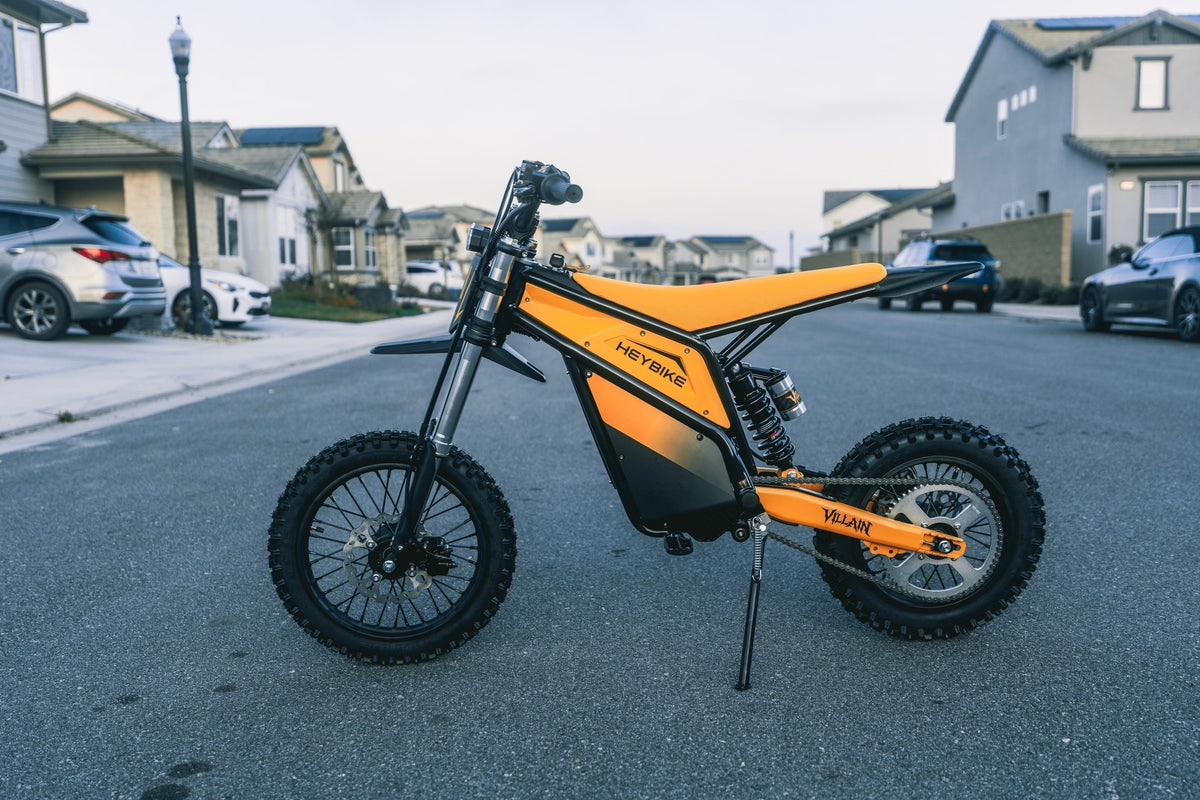
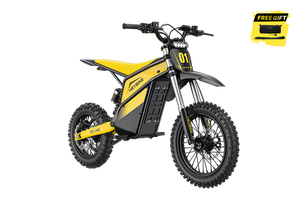
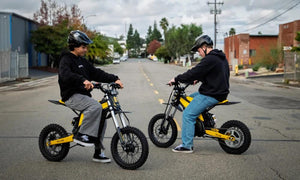
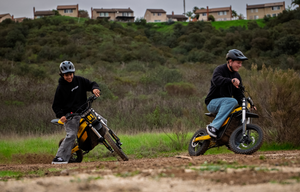
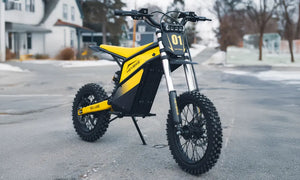
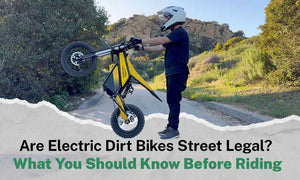
Electric dirt bikes are becoming increasingly common in off-road riding, but the term can be confusing if you're new to the category. Is an electric dirt bike simply a powerful e-bike? Is it closer to a motorcycle? How fast can one go, and where can you ride it?
An electric dirt bike is an off-road vehicle powered by a rechargeable battery and electric motor rather than a gasoline engine. Many are designed with motorcycle-style frames, suspension, tires, seats, and foot pegs for riding on dirt trails and other off-road terrain.
Unlike traditional dirt bikes, electric models do not use a gasoline engine, clutch, or conventional exhaust system. Instead, power comes from a battery and electric motor, with the rider typically controlling acceleration through a throttle.
The category includes a wide range of vehicles, from lightweight models designed for recreational riding to higher-performance electric off-road bikes built for more demanding terrain.
Electric Dirt Bike at a Glance
|
Feature |
What It Means |
|
Power source |
Rechargeable battery |
|
Motor |
Electric motor, commonly brushless |
|
Controls |
Typically throttle-based |
|
Pedals |
Many models do not have pedals |
|
Intended use |
Off-road riding |
|
Transmission |
Many models use a direct electric drive rather than traditional gears |
|
Speed |
Varies significantly by model |
|
Range |
Depends on battery, terrain, rider, and riding conditions |
|
Street legal |
Depends on vehicle classification and local regulations |
What Is an Electric Dirt Bike?
An electric dirt bike is designed primarily for off-road riding and powered by electricity.
The basic concept is similar to a conventional dirt bike: the vehicle has a frame, seat, suspension, wheels, tires, brakes, and rider controls. The major difference is the powertrain.
A gas-powered dirt bike uses an internal-combustion engine and fuel tank. An electric dirt bike uses a battery pack, electric motor, and electronic controller.
This difference affects more than just the source of energy. Electric powertrains can deliver power without the engine noise, exhaust, clutch operation, and gear changes associated with many traditional dirt bikes.
It's also important to understand that "electric dirt bike" is a vehicle description, not necessarily a single legal classification. Depending on its specifications and where it is operated, an electric off-road vehicle may be subject to different rules for registration, licensing, equipment, and where it can be ridden.
In other words, the name used by a manufacturer does not automatically determine how a vehicle is classified under local law.
How Does an Electric Dirt Bike Work?
Although electric dirt bikes can vary considerably in design and performance, most use the same basic system: a battery supplies electrical energy, a controller manages that energy, and an electric motor converts it into mechanical power.
Battery
The battery stores the electrical energy used to power the motor.
Most modern electric dirt bikes use lithium-ion battery technology. Battery specifications are commonly described using voltage (V), amp-hours (Ah), or watt-hours (Wh).
For example, a battery's watt-hour capacity can provide a more useful indication of its stored energy than voltage or amp-hours alone.
However, a larger battery does not automatically mean a specific amount of riding range. Actual range also depends on factors such as rider weight, terrain, speed, riding style, temperature, and power mode.
Electric Motor
The motor converts electrical energy from the battery into mechanical power that turns the wheel.
Many electric dirt bikes use brushless motors because they are well suited to electric vehicle applications and require less routine maintenance than brushed motor designs.
Motor specifications can be expressed in different ways, including nominal power, peak power, voltage, and torque.
For riders, the important point is that motor wattage alone does not tell the whole performance story. Battery output, controller settings, gearing or drive configuration, vehicle weight, and overall design also influence how an electric dirt bike performs.
Controller
The controller acts as the electronic connection between the battery and motor.
When the rider opens the throttle, the controller regulates how much electrical power is delivered to the motor.
This helps determine how the bike responds to throttle input and how power is delivered under different riding conditions.
Throttle
Unlike many conventional pedal-assist e-bikes, electric dirt bikes are commonly controlled using a throttle.
The rider twists or presses the throttle to request power from the motor.
That means you generally don't need to pedal to maintain motor assistance. This is one of the characteristics that can make an electric dirt bike feel more like a powered off-road vehicle than a conventional bicycle.
What Does an Electric Dirt Bike Feel Like to Ride?
The riding experience is one of the biggest differences between an electric dirt bike and a traditional gas-powered dirt bike.
Electric motors can deliver power very quickly, so riders often notice immediate throttle response. There is no need to wait for an internal-combustion engine to build revs.
Electric dirt bikes are also significantly quieter than gas-powered bikes because they do not have a combustion engine or exhaust system producing the same type of engine noise.
For new riders, this can make the experience feel simpler. Many electric models do not require the rider to manage a manual clutch or shift through multiple gears.
At the same time, the absence of a traditional engine does not mean every electric dirt bike feels the same. Motor output, controller tuning, weight, suspension, tires, and frame geometry can all have a major effect on handling and acceleration.

Is an Electric Dirt Bike an E-Bike or a Motorcycle?
This is one of the most common sources of confusion.
The terms e-bike, electric dirt bike, electric motorcycle, and e-moto are sometimes used interchangeably in online discussions, but they can describe vehicles with substantially different designs.
A conventional electric bicycle is generally built around a bicycle-style frame and includes pedals. Depending on the jurisdiction, it may also fall within a specific legal e-bike classification based on factors such as motor output, speed, and control method.
An electric dirt bike may instead have:
-
A motorcycle-style frame
-
A dedicated seat
-
Foot pegs
-
Motorcycle-style suspension
-
Larger off-road tires
-
A throttle
-
Higher motor output
-
Greater vehicle weight
-
No functional pedals
The distinction is therefore not simply about how many watts the motor produces.
Design, intended use, vehicle characteristics, and local regulations all matter.
If you're buying an electric dirt bike, don't assume that calling it an "e-bike" means it has the same legal status as a conventional electric bicycle.
Electric Dirt Bike vs. E-Bike
The easiest way to understand the difference is to look at what each vehicle is designed to do.
|
Electric Dirt Bike |
Electric Bike |
|
Primarily designed for off-road riding |
Often designed for roads, bike paths, commuting, or recreational cycling |
|
Usually throttle-controlled |
May use pedal assist, throttle, or both depending on design |
|
Often uses motorcycle-style frame and controls |
Usually retains bicycle-style design |
|
Many models have foot pegs rather than pedals |
Functional pedals are normally central to the design |
|
Often has longer-travel suspension |
Suspension varies by bicycle type |
|
Built around powered off-road performance |
Built around cycling and electric assistance |
|
Legal classification varies by vehicle and location |
May fall within local e-bike regulations |
There is some overlap between categories, which is why looking only at a product's marketing name can be misleading.
A better approach is to examine the vehicle's actual design and specifications and then check the regulations that apply where you intend to ride.
Electric Dirt Bike vs. Gas Dirt Bike
Both electric and gas dirt bikes are designed for off-road riding, but their powertrains create different riding experiences.
Electric dirt bikes
Common characteristics include:
-
Battery-powered operation
-
Quiet electric motor
-
Immediate throttle response
-
No gasoline or engine oil
-
No conventional exhaust system
-
Fewer traditional engine components
Gas dirt bikes
Common characteristics include:
-
Internal-combustion engine
-
Gasoline fuel system
-
Engine noise and exhaust
-
Clutch and transmission on many models
-
Familiar engine sound and riding characteristics
-
Fuel that can be replenished quickly
Neither powertrain is automatically the right choice for every rider.
Electric models can appeal to riders who value quieter operation and a simpler electric powertrain. Gas bikes may appeal to riders who want the characteristics, range flexibility, and established riding experience of a conventional dirt bike.
The right choice depends on how, where, and how often you plan to ride.
How Fast Can an Electric Dirt Bike Go?
There is no single top speed for all electric dirt bikes.
Performance can vary significantly depending on the motor, battery voltage, controller, gearing or drive configuration, vehicle weight, rider weight, riding mode, and terrain.
A lightweight recreational electric dirt bike may have a very different performance profile from a high-output electric off-road motorcycle.
It's also worth separating claimed top speed from real-world riding speed. Terrain, rider weight, battery charge, wind, tires, and riding conditions can all affect actual performance.
When comparing models, don't evaluate speed by looking at motor wattage alone. Consider the complete powertrain and the riding environment you're targeting.

How Far Can an Electric Dirt Bike Go?
Range is another specification that doesn't have one universal answer.
Manufacturers may provide an estimated range based on particular test conditions, but real-world riding can produce different results.
Factors that influence range include:
-
Battery capacity
-
Rider weight
-
Terrain
-
Riding speed
-
Throttle use
-
Riding mode
-
Temperature
-
Tire pressure
-
Elevation changes
-
Stop-and-go riding
For example, riding aggressively on steep or loose terrain generally requires more energy than riding at a moderate pace on relatively flat ground.
If range matters to you, look at the battery's energy capacity and the manufacturer's stated test conditions, rather than relying only on a headline range number.
Where Can You Ride an Electric Dirt Bike?
Electric dirt bikes are primarily designed for off-road environments, but where you can legally ride one depends on the vehicle and local rules.
Potential riding environments can include:
-
Private property
-
Designated off-road areas
-
OHV areas
-
Private trails where permitted
-
Other locations specifically allowing the type of vehicle
Public roads and public trails are different matters.
Some electric off-road vehicles may be eligible for road use if they meet applicable requirements, while others may be restricted to off-road areas.
Before riding, check the rules for the specific location and vehicle classification. Requirements can involve registration, equipment, insurance, licensing, age restrictions, or other conditions.
Never assume that an electric dirt bike is street legal simply because it has lights, mirrors, or other road-oriented equipment.
Are Electric Dirt Bikes Good for Beginners?
An electric dirt bike can be suitable for a beginner, but the right model matters.
A common mistake is choosing a bike based only on maximum power or top speed. A beginner may benefit more from a manageable size, predictable throttle response, appropriate seat height, controllable power delivery, and suspension suited to the intended terrain.
Beginners should also consider the physical size and weight of the bike.
A motorcycle-style electric dirt bike can be substantially different from riding a conventional e-bike. Learning throttle control, braking, body positioning, and off-road handling takes practice.
Starting in a controlled environment and gradually increasing speed and terrain difficulty is generally a better approach than immediately pushing the limits of a high-performance model.
Who Are Electric Dirt Bikes For?
Electric dirt bikes can appeal to several types of riders.
Recreational riders
For people who want to explore off-road riding without a gasoline powertrain, an electric dirt bike can provide a straightforward alternative.
Trail riders
Riders focused on trails may appreciate the quiet operation and electric power delivery, subject to local trail rules.
Riders new to off-road vehicles
The absence of a conventional clutch and multi-speed manual transmission can make some electric models easier to learn than traditional dirt bikes.
However, "easier to operate" does not mean "requires no training." Off-road riding still involves real speed, weight, terrain changes, and braking forces.
Experienced dirt-bike riders
Experienced riders may be interested in electric models because of their different power delivery and riding characteristics.
As the electric off-road category expands, manufacturers are taking different approaches to motor output, battery capacity, suspension, frame design, and overall performance.
What Should You Look for in an Electric Dirt Bike?
Once you understand what an electric dirt bike is, the next question is usually which specifications actually matter.
1. Motor and Power Delivery
Don't look at wattage in isolation.
Consider how the motor, battery, and controller work together and how the manufacturer describes the bike's intended performance.
If you're riding steep trails or loose terrain, torque and power delivery may matter more than a headline top-speed number.
2. Battery Capacity
Battery capacity has a major influence on potential range.
Compare battery voltage and energy capacity, and pay attention to the manufacturer's stated range conditions.
If you regularly ride far from a charging source, battery capacity should be one of your main considerations.
3. Suspension
Suspension is particularly important for off-road riding.
Look at the suspension travel, adjustment options, and overall design rather than simply checking whether a bike is labeled "full suspension."
The right setup depends on the terrain and riding style.
4. Brakes
Off-road riding can involve steep descents, loose surfaces, and sudden obstacles.
Reliable braking is therefore essential.
Hydraulic disc brakes can provide strong and controllable braking performance, but the overall brake system, rotor size, maintenance, and bike weight should also be considered.
5. Tires
Tire design affects traction, handling, and how the bike behaves on different surfaces.
Consider whether you'll primarily ride hard-packed dirt, loose soil, gravel, mud, or mixed terrain.
6. Size and Weight
A bike that is too large or heavy for the rider can be difficult to control, especially for beginners.
Check seat height, overall weight, wheel size, and rider recommendations before purchasing.
Specifications are easier to understand when you see how they come together in an actual electric dirt bike. For example, the Heybike Sports V1 combines a high-output electric motor, a motorcycle-inspired off-road design, and components intended for recreational dirt riding.
Rather than judging an electric dirt bike by one specification, the V1 illustrates why motor performance, battery capacity, suspension, brakes, tires, and overall vehicle design should be considered together.
Electric Dirt Bike Safety Basics
An electric dirt bike may be quieter and mechanically simpler than a gas dirt bike, but it is still a motorized off-road vehicle.
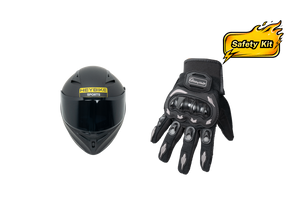
Basic protective equipment should include:
-
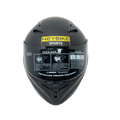
A properly fitted helmet
-
Eye protection
-
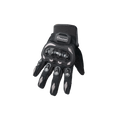
Gloves
-
Protective footwear or riding boots
-
Long pants
-
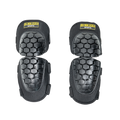
Appropriate protective gear for the type of riding
Beginners should practice throttle and braking control in an appropriate, controlled area before attempting difficult terrain.
It's also important to understand the condition of the riding surface. Rocks, loose soil, mud, slopes, and obstacles can significantly change traction and stopping distance.
Frequently Asked Questions
What is an electric dirt bike?
An electric dirt bike is an off-road vehicle powered by a rechargeable battery and electric motor. Many models use motorcycle-style frames, suspension, tires, seats, and throttle controls.
How does an electric dirt bike work?
The battery stores electrical energy, the controller regulates power, and the electric motor converts that energy into mechanical power. The rider typically controls acceleration with a throttle.
Is an electric dirt bike the same as an e-bike?
Not necessarily. Electric dirt bikes are generally designed as powered off-road vehicles, while e-bikes are usually bicycle-based vehicles with pedals. Their legal classifications can also differ.
Do electric dirt bikes have pedals?
Many electric dirt bikes do not have functional pedals. They are commonly designed around motorcycle-style seats and foot pegs instead.
Do electric dirt bikes have gears?
Some electric dirt bikes use a simple electric drive system without the conventional multi-speed transmission found on many gas dirt bikes. Specific designs vary by model.
How fast can an electric dirt bike go?
Top speed varies by model. Motor output, battery, controller, vehicle weight, rider weight, riding mode, and terrain can all affect performance.
How far can an electric dirt bike go?
Range depends on battery capacity and riding conditions. Speed, terrain, rider weight, temperature, riding style, and power mode can all affect how far the bike travels on a charge.
Are electric dirt bikes street legal?
Not automatically. Whether an electric dirt bike can be used on public roads depends on its specifications, legal classification, and local regulations.
Do you need a license to ride an electric dirt bike?
It depends on the vehicle's legal classification and where you ride it. Off-road and public-road requirements may be different, so check the rules that apply in your location.
Are electric dirt bikes good for beginners?
They can be, particularly when the bike's size and performance are appropriate for the rider. Beginners should start with controlled practice and learn throttle, braking, and off-road handling before riding challenging terrain.
How long does an electric dirt bike battery last?
Battery lifespan depends on factors such as battery chemistry, charging habits, temperature, usage, and storage. "Battery life" can refer either to riding range per charge or the number of charge cycles before capacity decreases, so check which one a specification refers to.
How long does it take to charge an electric dirt bike?
Charging time varies by battery capacity, charger output, battery condition, and charging system. The manufacturer's charging specification is the best reference for a specific model.
Are electric dirt bikes expensive to maintain?
Electric dirt bikes generally have fewer conventional powertrain components than gas-powered dirt bikes, but they still require maintenance. Tires, brakes, suspension, drivetrain components, bearings, and the electrical system all need appropriate inspection and care.
Final Thoughts
An electric dirt bike is best understood as an electric-powered off-road vehicle, rather than simply a larger or faster e-bike.
Its defining characteristics come from the combination of an electric powertrain and an off-road-oriented design. Battery capacity, motor output, controller tuning, suspension, tires, brakes, frame geometry, and vehicle weight all contribute to how the bike performs.
If you're considering one, start by asking three questions:
Where will I ride? How do I want it to perform? And what vehicle classification applies where I live?
Those answers will help narrow down the right type of electric dirt bike far more effectively than choosing based on a single specification such as motor wattage or claimed top speed.
Share:
Heybike Safety Update: Recent E-Bike Thermal Incident
Electric Dirt Bike vs. E-Bike: What's the Difference?