 United States
 Canada
 Europe

 Canada
 Europe




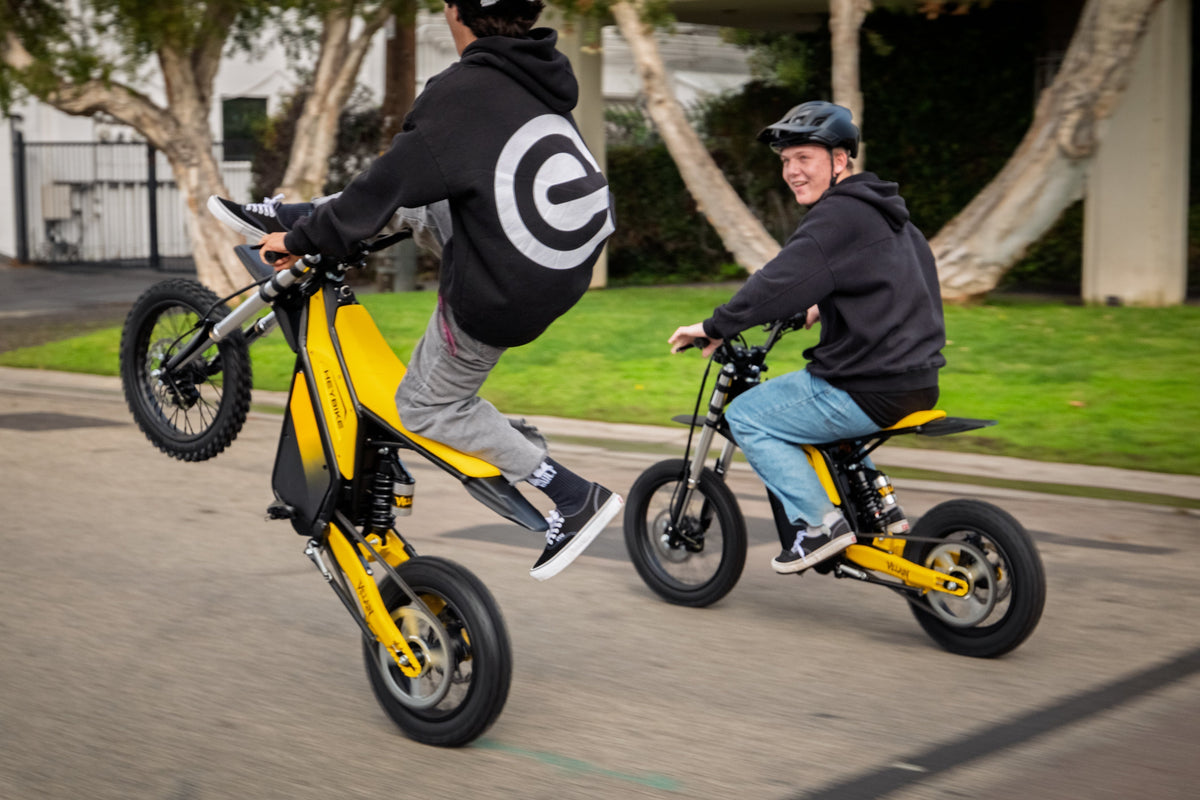
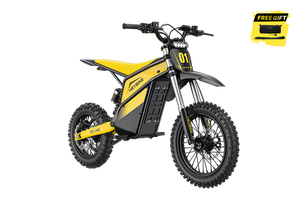
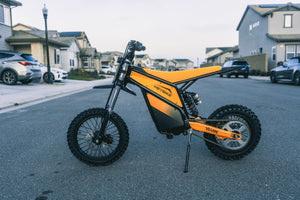
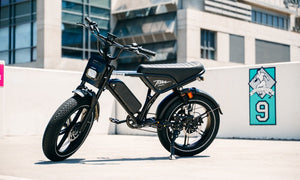
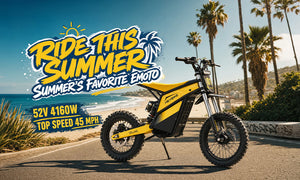
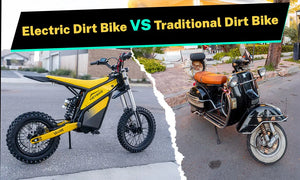
Electric dirt bikes and e-bikes both use an electric motor and battery, but they are designed for very different riding experiences. An e-bike is generally built around bicycle-style riding, with pedals and electric assistance playing an important role. An electric dirt bike is typically designed around motor-powered off-road riding, often using a throttle, foot pegs, motorcycle-inspired geometry, and components suited to rougher terrain.
That difference goes beyond motor power. The controls, frame design, rider position, suspension, tires, and intended use can all shape how an electric vehicle is ridden. Legal classification can also vary depending on the vehicle's specifications and local regulations.
So when comparing an electric dirt bike vs. an e-bike, the better question is not simply which one has more power, but how each vehicle is designed to be used.
Electric Dirt Bike vs. E-Bike at a Glance
|
Feature |
E-Bike |
Electric Dirt Bike |
|
Basic design |
Bicycle-based |
Often motorcycle-inspired |
|
Primary rider input |
Pedaling, with electric assistance |
Motor control, often through a throttle |
|
Feet |
Pedals |
Often foot pegs |
|
Riding position |
Bicycle-style |
More motorcycle-like |
|
Suspension |
Varies by model |
Often designed for demanding off-road use |
|
Typical terrain |
Roads, bike paths where permitted, trails, recreation |
Dirt and other recreational off-road terrain |
|
Main focus |
Cycling with electric assistance |
Motor-powered off-road riding |
|
Legal treatment |
May fall under e-bike regulations |
May be subject to different vehicle regulations |
This comparison is a starting point rather than a strict legal definition. A vehicle's technical specifications, design, and location can all affect how it is classified and where it can be ridden.
What Makes an E-Bike an E-Bike?
An e-bike is fundamentally built around the bicycle.
The rider normally interacts with the vehicle through pedals, while an electric motor provides assistance. Depending on the model and local regulations, some e-bikes may also have a throttle.
The important point is that the electric system works within a bicycle-oriented design. Pedaling, bicycle geometry, and bicycle-style handling remain central to the riding experience.

Pedals Are an Important Clue
Pedals are one of the clearest characteristics to look for when comparing electric vehicles.
With pedal-assist systems, the rider contributes effort through the pedals while the motor supplements that effort. This keeps the riding experience closely connected to traditional cycling.
But pedals alone do not automatically determine a vehicle's legal classification. E-bike definitions vary between jurisdictions and can depend on factors such as motor output, speed, controls, and other requirements.
What About E-Bikes With Throttles?
Some e-bikes use a throttle in addition to pedal assistance.
That can make the distinction between an e-bike and other electric vehicles less obvious. The presence of a throttle by itself does not necessarily determine the category of a vehicle or how it is regulated.
When comparing an electric vehicle, it is more useful to consider the complete design than to rely on one feature.
What Makes an Electric Dirt Bike Different?
An electric dirt bike is generally designed around a different type of riding experience.
Instead of using the motor primarily to assist bicycle-style pedaling, the vehicle is built around electric motor propulsion for off-road riding. That difference can affect nearly every part of the vehicle, from the rider's feet to the frame and suspension.
Pedals vs. Foot Pegs
One of the most noticeable differences is what the rider's feet are doing.
On an e-bike, pedals are part of the propulsion system. The rider uses them to contribute power and, on pedal-assist models, interact with the electric drive system.
Many electric dirt bikes use foot pegs instead.
Foot pegs are not intended to propel the vehicle. They provide a stable platform for the rider and allow the rider to move their body as the terrain changes.
This distinction matters because it reflects two different approaches to riding:
Pedals are part of a bicycle's propulsion system, while foot pegs are primarily part of a motorcycle-style vehicle's riding and control system.
Bicycle Geometry vs. Motorcycle-Inspired Design
An e-bike generally retains the proportions and riding position associated with bicycles.
Many electric dirt bikes take a different approach, with features such as:
-
Motorcycle-inspired frame geometry
-
A different seat and foot position
-
Foot pegs instead of conventional pedals
-
Greater ground clearance
-
A more motorcycle-like riding posture
-
Components designed for off-road impacts
These design choices influence how the vehicle responds to bumps, turns, acceleration, and changes in terrain.
The important point is not simply that one vehicle "looks like a motorcycle." Its design affects how the rider interacts with the vehicle.
Why Is Suspension Important?
Suspension is another useful point of comparison, although it is not exclusive to electric dirt bikes.
Many e-bikes, especially mountain and full-suspension models, also use front or rear suspension. Electric dirt bikes may use suspension systems designed around larger impacts and more demanding off-road conditions.
For example, suspension travel gives a wheel more room to move through uneven terrain and can help manage impacts.
This is why the presence of suspension alone does not determine whether a vehicle is an electric dirt bike. What matters is how the suspension works with the rest of the vehicle.
Off-Road Does Not Automatically Mean Dirt Bike
A vehicle being capable of riding on dirt does not automatically make it a dirt bike.
"Off-road" describes a type of terrain or riding environment. "Dirt bike" describes a vehicle designed around a particular form of off-road riding.
A fat-tire e-bike may be capable of riding on dirt roads or certain trails. An e-MTB can be specifically designed for mountain trails. An electric dirt bike, meanwhile, is generally built around motor-powered dirt riding.
The useful question is therefore not just:
Can it ride on dirt?
Instead, ask:
What type of vehicle is it designed to be, and how is the rider expected to interact with it?

Does Motor Wattage Make an E-Bike a Dirt Bike?
No. Motor wattage alone does not determine whether an electric vehicle is an e-bike or an electric dirt bike.
Wattage can indicate the potential electrical power of a motor system, but it does not describe the entire riding system. Real-world performance can also depend on:
-
Motor torque
-
Battery voltage
-
Controller output
-
Power delivery
-
Drivetrain or gearing
-
Wheel size
-
Vehicle weight
-
Rider weight
-
Terrain
-
Tire traction
-
Suspension
As a result, two electric vehicles with similar motor ratings can feel very different to ride.
The reverse is also true: a higher-output motor does not automatically turn a bicycle into a dirt bike.
When comparing electric vehicles, look at how the specifications work together instead of using one number to define the entire vehicle.
How Different Do They Feel to Ride?
The difference becomes clearer when you look at what the rider actually does.
Rider Input
On an e-bike, pedaling is normally part of the riding experience. The motor provides assistance while the rider remains actively involved in the bicycle's propulsion.
On an electric dirt bike, the motor typically provides the primary propulsion, with the rider controlling power through the vehicle's controls.
Body Position
E-bike riders generally sit and move in a bicycle-oriented position.
Electric dirt bikes often use a more motorcycle-inspired riding position. Foot pegs give the rider a stable platform and allow body movement when riding over uneven terrain.
Handling
The difference is also noticeable in how riders approach turns, bumps, and changes in terrain.
A bicycle-based vehicle is generally handled through bicycle-style steering, pedaling, and body movement. A motorcycle-inspired off-road vehicle places more emphasis on throttle control, body position, suspension, and traction.
So although both vehicles are electric, they can require different riding techniques.
What About E-MTBs?
For off-road riders, an e-MTB is often a more useful comparison than a conventional commuter e-bike.
An e-MTB remains fundamentally a mountain bike. It uses pedals, bicycle-style geometry, and electric assistance to help the rider navigate climbs and trails.
An electric dirt bike approaches off-road riding differently. It typically places greater emphasis on motor-powered propulsion, throttle control, foot pegs, and motorcycle-inspired ergonomics.
The two can overlap in terrain, but their riding experiences are not identical.
If you want the experience to remain centered around cycling and active pedaling, an e-MTB is the closer category. If you are looking for a motorcycle-style electric vehicle for recreational dirt riding, an electric dirt bike is a different type of machine.
Which Type Fits Your Riding Style?
Rather than asking which vehicle is better, start with how you want to ride.
An e-bike may fit your needs if you want to:
-
Pedal while receiving electric assistance
-
Commute or ride around town
-
Maintain a bicycle-style riding experience
-
Combine exercise with electric assistance
-
Ride in areas where e-bikes are permitted
An e-MTB may fit your needs if you want to:
-
Ride mountain or technical trails
-
Keep pedaling central to the experience
-
Use bicycle-style trail handling
-
Combine climbing assistance with active riding
An electric dirt bike may fit your needs if you want to:
-
Rely primarily on motor power
-
Ride recreationally on suitable off-road terrain
-
Prefer motorcycle-inspired ergonomics
-
Use foot pegs rather than conventional pedals
-
Focus on motor-powered dirt riding
There is some overlap between these categories, but the differences in rider input and vehicle design can make one type more suitable for a particular riding style than another.
Why Legal Classification Matters
The name used to describe a vehicle does not necessarily determine how it is regulated.
In the United States, e-bike definitions can depend on factors such as motor output, pedals, speed, and control systems. Individual states and local jurisdictions may have additional requirements.
Electric dirt bikes may be subject to different rules depending on their specifications and where they are being ridden.
This means that a vehicle that looks similar to an e-bike may not qualify for the same legal treatment if it does not meet the applicable definition of an electric bicycle.
The location matters, too. Rules can differ between public roads, bike paths, trails, private property, and designated off-road areas.
Before riding an electric dirt bike in a regulated area, check the rules that apply to the specific vehicle and location.
For a more detailed look at this topic, see Are Electric Dirt Bikes Street Legal?
A Real-World Example: Heybike V1
Looking at a real product helps show how these characteristics come together.
The Heybike Sports V1 uses a 52V 26Ah battery and a mid-drive motor with a claimed peak output of 4,160W. It also features 14-inch front and 12-inch rear off-road tires, dual hydraulic suspension, hydraulic brakes, and a motorcycle-inspired layout with foot pegs.
The motor, battery, suspension, tires, braking system, ground clearance, and rider position are designed to work together around motor-powered off-road riding.
This illustrates a broader point: an electric vehicle is better understood by looking at its complete design and riding system than by focusing on a single specification.
Common Misconceptions
If it has pedals, is it automatically an e-bike?
Not necessarily. Pedals are an important characteristic, but the complete vehicle design and applicable legal definition also matter.
Does a higher-wattage motor make something a dirt bike?
No. Motor output is only one part of the vehicle's specifications.
Is any e-bike that can ride on dirt an electric dirt bike?
No. Off-road capability and vehicle type are not the same thing.
Are e-MTBs and electric dirt bikes basically the same?
They can be used on some of the same terrain, but their propulsion systems, rider input, geometry, and overall design can be different.
Does being electric make a vehicle street legal?
No. Legal use depends on the vehicle's specifications and the rules that apply in a particular location.
Frequently Asked Questions
Is an electric dirt bike an e-bike?
Not necessarily. Both use electric motors and batteries, but an electric dirt bike is generally designed around motor-powered off-road riding, while an e-bike is built around bicycle-style riding and electric assistance.
What is the main difference between an electric dirt bike and an e-bike?
The main difference is the overall riding system. E-bikes generally center on pedals and bicycle-style riding, while electric dirt bikes typically emphasize motor-powered propulsion, foot pegs, and motorcycle-inspired off-road design.
Do electric dirt bikes have pedals?
Some electric off-road vehicles may have pedals, but many electric dirt bikes use foot pegs instead. The presence or absence of pedals is useful when comparing vehicles, but it is not the only factor to consider.
Why do electric dirt bikes use foot pegs?
Foot pegs provide a stable platform for the rider and allow body movement while riding over uneven terrain. Unlike bicycle pedals, they are not primarily used to propel the vehicle.
Does motor wattage determine whether a vehicle is an e-bike or dirt bike?
No. Motor wattage is only one specification. Controls, pedals, vehicle design, performance characteristics, intended use, and applicable regulations can also be relevant.
Is an e-MTB the same as an electric dirt bike?
No. An e-MTB is fundamentally a mountain bike with electric assistance, while an electric dirt bike is generally designed around motor-powered off-road riding and motorcycle-style ergonomics.
Final Thoughts
Electric dirt bikes and e-bikes share a basic technology—an electric motor and battery—but they are built around different riding experiences.
The most useful way to tell them apart is to look beyond motor wattage. Consider how the rider provides or controls power, whether the vehicle uses pedals or foot pegs, how the frame and suspension are designed, and what type of riding the vehicle is intended for.
Once you understand those differences, it becomes easier to compare electric dirt bikes, e-bikes, and e-MTBs based on the way you actually want to ride.
Share:
What Is an Electric Dirt Bike? A Beginner's Guide
How Far Can an Electric Dirt Bike Go? Range Explained