 United States
 Canada
 Europe

 Canada
 Europe


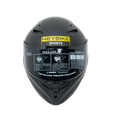
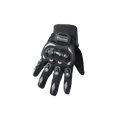
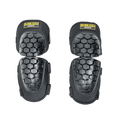
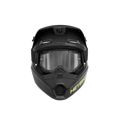
Choosing an electric dirt bike for an adult starts with four things: rider fit, riding experience, terrain, and battery needs. Peak wattage and top speed matter, but only after the bike fits the rider and the way it will actually be used.
A 5'6" beginner riding short loops near home may need a very different bike from a 6'1" experienced rider spending several hours on rough trails. The first rider may value manageable size and predictable power; the second may care more about suspension, torque, range, and stability.
Quick Answer: What Should Adults Look for in an Electric Dirt Bike?
Before comparing models, answer these seven questions:
- Where will you ride? Dirt trails, private property, an OHV area, or a small practice space?
- Does the bike fit you? Check rider height, seat height, reach, maximum load, and overall dimensions.
- Can you control the power? Throttle response and riding modes matter alongside peak output.
- Will the battery cover your normal ride? Compare battery capacity in watt-hours, not voltage alone.
- Is the chassis suited to the terrain? Evaluate suspension, brakes, wheels, and tires together.
- Can you transport and maintain it? Bike weight, charging, storage, and parts availability affect day-to-day ownership.
- What will the complete setup cost? Include protective gear, maintenance, replacement parts, and transportation equipment.
For most adult riders, fit, control, and intended use should come before maximum speed.
1. Decide Where and How You Will Ride
Start with where you will actually ride. Terrain determines how much suspension, tire grip, battery capacity, and braking performance you need.
Light Recreational Riding
For packed dirt, grass, gravel, open private property, or short practice loops, a compact and relatively manageable bike may be more useful than a larger machine built for aggressive trail riding.
In this type of riding, easy maneuverability and predictable low-speed control may matter more than maximum suspension travel or top speed.
Rougher Trails
If your typical route includes ruts, roots, loose climbs, rocky sections, repeated bumps, or longer trail loops, pay closer attention to:
- Suspension performance
- Wheel and tire size
- Braking control
- Ground clearance
- Battery capacity
- Bike weight
A specification that feels secondary on a smooth dirt loop can become important after an hour on uneven terrain.
Check Whether You Can Legally Ride There
High-powered, pedal-free electric dirt bikes are not automatically regulated like conventional e-bikes. Depending on the state and vehicle classification, they may be treated as off-highway motorcycles or another type of motor vehicle.
Before buying, confirm that you have access to an appropriate riding location, such as private property with permission, a designated OHV recreation area, a motorized trail, or a dirt riding facility.
2. Check Rider Fit, Weight Capacity, and Bike Size
"Adult electric dirt bike" is a product category, not a universal size. Two adult riders can differ significantly in height, inseam, weight, reach, and experience, so a bike should be evaluated by actual dimensions rather than an "adult" label.
Seat Height
Seat height affects how easily you can stabilize the bike when starting, stopping, or moving slowly.
A lower seat may help a shorter rider or beginner get a foot down more confidently. The same bike may feel cramped to a taller rider, especially when moving between seated and standing positions.
Do not compare seat height with inseam alone. Suspension sag, seat width, and tire size also affect how tall the bike feels once the rider is on it.
Riding Position
You should be able to reach the handlebars without locking your elbows or leaning excessively forward.
When standing on the footpegs, you should still be able to operate the throttle and brakes without feeling folded over. This becomes more important on uneven terrain, where riders frequently shift their body position.
If possible, compare handlebar height, reach, seat-to-peg distance, and overall dimensions rather than relying on seat height alone.
Maximum Rider Load
Check the manufacturer's maximum load rating and compare it with your riding weight, not just your body weight.
Helmet, boots, protective equipment, clothing, and a backpack all add weight. For example, a 220 lb rider carrying 15 lb of riding gear is already placing about 235 lb on the bike before adding anything else.
A bike can physically fit a tall rider while still having a load rating that is too close to the rider's real operating weight.
Overall Bike Size
Wheelbase, wheel size, seat length, and handlebar position all affect how large a bike feels.
A longer platform can feel more stable but may require more room to turn. A compact platform can be easier to maneuver in tight areas but may offer less room for a taller rider.
This is why seat height alone should not be used to decide whether a bike is "adult-sized."
3. Match Power Delivery to Your Experience
Peak wattage is useful for comparing motor output, but it does not tell you how easy the bike will be to control.
Two bikes with similar peak-power figures can feel different because of throttle response, controller tuning, torque, gearing, riding modes, and bike weight.
For a first-time adult rider, smooth and predictable power delivery is usually more useful than aggressive initial acceleration. An experienced rider may place more value on stronger torque when climbing loose terrain, accelerating uphill, or regaining speed after a corner.
How Much Speed Do You Really Need?
A 40+ mph electric dirt bike should not be approached like a low-speed recreational e-bike.
Most off-road riding does not involve holding maximum speed for long periods. On tight trails, uneven dirt, or small practice areas, low-speed throttle control and braking are often more important than maximum speed.
If you are new to electric dirt bikes, first make sure you can comfortably:
- Start without an abrupt surge
- Hold a steady speed at 5–15 mph
- Brake progressively
- Turn at low speed
- Control the throttle over bumps
Only then does higher-speed performance become a useful comparison point.
Riding Modes Matter
Multiple riding modes can make a higher-powered bike easier to learn.
A lower-output mode lets a new rider practice starting, braking, turning, and body position before using full power. When comparing bikes, check whether lower modes actually reduce power delivery rather than simply changing the display or speed indication.
4. Compare Battery Capacity and Real-World Range
Do not compare batteries by voltage alone. A more useful measure of stored energy is watt-hours:
Voltage × Amp-hours = Watt-hours
For example:
52V × 26Ah = approximately 1,352Wh
This allows a more meaningful comparison between batteries with different voltage and amp-hour ratings.
Battery capacity, however, does not guarantee a specific range. Actual riding distance changes with rider weight, speed, hills, surface conditions, tire pressure, temperature, throttle use, and repeated acceleration.
A rider cruising steadily on firm terrain may travel significantly farther than someone repeatedly accelerating up loose hills. For more detail, see our electric dirt bike range guide.
Ask a Better Range Question
Instead of asking, "Which bike has the longest advertised range?" ask, "Will this battery comfortably cover the rides I actually do?"
If most rides last 30–60 minutes and remain close to home, paying more for maximum possible range may add little practical value. If you ride long loops or spend several hours away from a charging point, battery capacity becomes much more important.
Also check charging time and whether the battery is removable. A removable battery may be easier to charge indoors or store during long periods without riding.
5. Choose the Chassis for Your Terrain
Motor specifications tell you how the bike produces power. Suspension, brakes, wheels, and tires determine much of what happens after that power reaches the ground.
Suspension
Front and rear suspension help maintain tire contact and control over uneven surfaces while reducing the amount of impact transferred to the rider.
Do not stop at the phrase "full suspension." Compare:
- Front suspension design
- Rear shock design
- Suspension travel
- Adjustment options
- Rider-weight recommendations
- Replacement-part availability
A setup intended for short recreational loops may behave very differently from one designed for repeated rough-trail use.
If a brand publishes only "front and rear suspension" without travel, adjustment, or component information, you have less information with which to judge how it will perform.
Brakes
Higher speed and greater bike weight increase the importance of predictable braking.
Hydraulic brakes are common on higher-performance electric dirt bikes, but "hydraulic" alone is not enough information. Check the front and rear brake type, rotor size, pad availability, lever feel, and maintenance requirements.
On loose terrain, good braking is not simply about maximum stopping force. The rider needs to reduce speed progressively without immediately locking a wheel.
Wheels and Tires
Larger wheels generally roll over holes, roots, and rough surfaces more easily. Smaller wheels can make a bike more compact and responsive in tight riding areas.
Neither is automatically better; the right choice depends on terrain and rider fit.
Knobby off-road tires are intended for dirt, grass, gravel, and loose surfaces.
Street-style or supermoto tires generally suit firmer, smoother surfaces.
Choose tires for the surface you actually ride, not simply for appearance. Changing tires also does not change an off-road motorcycle's legal classification.
6. Check Bike Weight, Transport, and Storage
Bike weight matters before, during, and after the ride.
A bike that feels manageable under power can feel very different when you need to lift it after a fall or load it into a vehicle.
Before buying, ask whether you can:
- Move it around your garage
- Load it into a truck or trailer
- Use it with your existing hitch carrier
- Pick it up after a low-speed fall
- Turn it around on a narrow trail
- Push it if the battery is depleted
Also check overall length, handlebar width, battery removability, carrier weight limits, and available storage space.
For riders who usually travel alone, these practical dimensions can matter as much as another 500W of motor output.
7. Consider Maintenance, Parts, Warranty, and Total Cost
Electric dirt bikes eliminate engine oil, fuel, and carburetor maintenance, but they are not maintenance-free.
Typical service items include chain tension and lubrication, brake pads, brake fluid, tires, spokes, suspension components, bearings, fasteners, battery storage, and electrical connectors.
Before purchasing, check whether common replacement parts are actually available for the model. A lower purchase price becomes less attractive if you later struggle to find brake pads, chains, tires, chargers, controllers, or body parts.
For a more detailed service routine, see our electric dirt bike maintenance guide.
Look Beyond the Purchase Price
The bike itself is only part of the total cost. Depending on what you already own, you may also need:
- Helmet
- Gloves
- Knee or body protection
- Riding boots
- Replacement tires
- Spare wear parts
- A hitch carrier, trailer, or other transportation equipment
Before budgeting for a complete setup, review the essential electric dirt bike safety gear.
Warranty coverage and customer support also matter because batteries, motors, controllers, chargers, and displays may require model-specific diagnosis or replacement.
When comparing two similarly priced bikes, parts availability and after-sales support can be more valuable than a small difference in headline specifications.
Adult Electric Dirt Bike Buying Checklist
| What to Check | What to Ask |
|---|---|
| Riding location | Where will I actually use this bike? |
| Rider height | Does the recommended height range fit me? |
| Seat height | Can I stabilize the bike comfortably? |
| Maximum load | Does the rating cover me plus riding gear? |
| Bike weight | Can I move, recover, and transport it? |
| Motor and torque | Is the power appropriate for my experience? |
| Throttle and riding modes | Can I control the power while learning? |
| Battery watt-hours | How much energy does the battery actually store? |
| Real-world range | Will it cover my normal riding session? |
| Charging time | Can I recharge it between rides? |
| Suspension | Is it appropriate for my normal terrain? |
| Brakes | Are they strong, progressive, and serviceable? |
| Wheels and tires | Do they match my riding surface? |
| Replacement parts | Are common service parts available? |
| Warranty and support | Who handles battery, motor, or controller issues? |
| Legal classification | Can I legally use it where I plan to ride? |
Four Common Buying Mistakes
Buying by Peak Power Alone
Higher peak output does not automatically make a bike easier, faster, or more enjoyable to ride in your normal riding environment.
For a beginner, predictable throttle response, manageable weight, and proper fit may matter more than another few thousand watts.
Ignoring Rider Load and Bike Weight
A bike can look large enough for an adult while still having a load rating or physical weight that does not suit the rider.
Check both maximum rider load and vehicle weight before buying. They solve different problems.
Comparing Advertised Range Without Battery Size
A range claim means little without knowing the battery capacity and riding conditions behind it.
Compare watt-hours first, then account for terrain, rider weight, speed, and riding style.
Buying Before Confirming Where You Can Ride
Do not purchase a high-powered off-road electric dirt bike for commuting or public-road use unless you have confirmed that the vehicle classification and local laws allow it.
If the bike is intended for off-road use, identify your actual riding location before buying.
How the Heybike V1 Fits Adult Riders
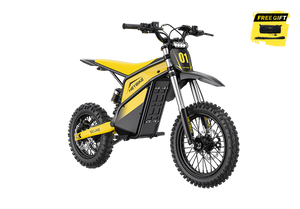
The Heybike V1 Electric Dirt Bike provides a useful example of how these specifications work together.
It uses a compact 14-inch front and 12-inch rear wheel setup with a 29.5-inch minimum seat height. Heybike lists a recommended rider-height range up to 6'1".
The compact geometry can make the bike easier to maneuver in recreational riding areas, but taller adults should compare its dimensions carefully rather than assume every adult electric dirt bike offers the same amount of room.
The V1 uses a 52V mid-drive system with 4,160W peak power, up to 190 N·m of torque, and a published top speed of up to 45 mph.
Those specifications place much more emphasis on performance than a conventional low-speed e-bike. A new rider should become comfortable with throttle response, braking, turning, and low-speed control before using higher-performance settings.
Its 52V 26Ah battery stores approximately 1,352Wh of nominal energy. Heybike lists up to 50 miles of range, but actual riding distance will vary with terrain, rider load, speed, temperature, and throttle use.
The V1 also uses front and rear suspension, hydraulic brakes, and off-road tires.
For an adult considering the V1, ask:
- Does its compact geometry fit my height and riding position?
- Am I comfortable managing its power?
- Will the battery cover my normal riding session?
- Can I transport and store the bike?
- Do I have an appropriate off-road area in which to ride it?
Those questions tell you more about whether the V1 fits your needs than the 4,160W or 45 mph figures by themselves.
Which Electric Dirt Bike Is Right for You?
A useful buying decision follows this order:
- Confirm where you can legally and practically ride.
- Check rider fit and maximum load.
- Match power delivery to your experience.
- Make sure the battery covers your typical ride.
- Compare suspension, brakes, wheels, and tires for your terrain.
- Check weight, transportation, parts, warranty, and total ownership cost.
Only after those questions are answered do peak power and maximum speed become useful comparison points.
For most adults, the right electric dirt bike is the one that fits properly, feels controllable, works on the intended terrain, and is practical to transport and maintain.
FAQ About Electric Dirt Bikes for Adults
What size electric dirt bike should an adult get?
There is no universal adult size. Start with the manufacturer's recommended rider-height and maximum-load ranges, then compare seat height, handlebar reach, wheelbase, and riding position. For a taller rider, seat-to-peg space and handlebar position may matter as much as seat height.
How much power does an adult electric dirt bike need?
There is no single wattage target for adult riders. A beginner may benefit more from smooth throttle response and lower-power riding modes than very high peak output. An experienced rider using steep or loose terrain may place more value on torque and stronger acceleration. Choose power for the terrain and rider experience, not age alone.
Is a bigger battery always better?
No. A larger battery stores more energy, but it may also increase cost and bike weight. Choose capacity based on how long and how far you normally ride between charging opportunities. Watt-hours are more useful for comparing battery capacity than voltage alone.
Are smaller electric dirt bikes suitable for adults?
Yes, if the rider fits within the manufacturer's height and load recommendations. Compact bikes can be easier to maneuver and transport. Taller riders may prefer more seat-to-peg room, a longer wheelbase, or larger wheels. "Smaller" does not automatically mean "for kids." Rider fit is the better test.
Can adults ride electric dirt bikes on public roads?
Not automatically. High-powered, pedal-free electric dirt bikes may be classified as off-highway motorcycles or other motor vehicles rather than conventional e-bikes. Road-use rules depend on the state, vehicle classification, and registration eligibility. Check the applicable state and local requirements before purchasing an off-road model for transportation use.
Share:
Electric Dirt Bike Maintenance Checklist: Before and After Every Ride