 United States
 Canada
 Europe

 Canada
 Europe




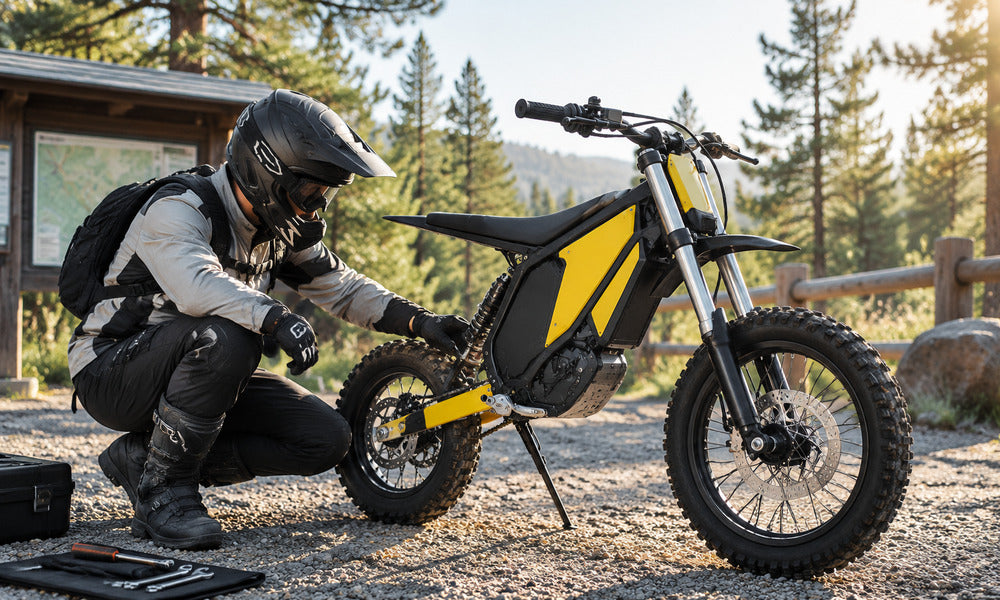
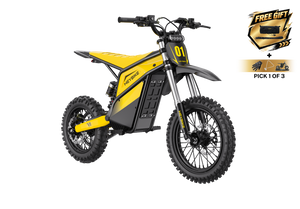
Electric dirt bike maintenance starts with a simple routine: inspect the bike before every ride, clean it correctly afterward, and address small changes before they become expensive problems. The most important checks are tire condition, brake response, loose hardware, chain condition, battery security, controls, and visible damage around the frame and suspension.
This guide provides a practical maintenance schedule for adult electric dirt bikes. It also explains which jobs most owners can handle at home and when professional service is the safer choice.
Quick take: Before riding, check the tires, brakes, controls, battery, chain, suspension, and critical fasteners. After riding, let the bike cool, remove dirt without flooding electrical parts, dry it, inspect for new damage, and recharge or store the battery according to the owner's manual.
Electric Dirt Bike Maintenance Schedule at a Glance
Maintenance intervals vary with terrain, weather, riding intensity, and the manufacturer's instructions. Mud, dust, water crossings, hard landings, and frequent high-speed riding all justify more frequent inspection.
| When | What to check | Typical action |
|---|---|---|
| Before every ride | Tires, brakes, controls, battery security, chain, suspension, visible fasteners | Inspect and correct any obvious issue before riding |
| After every ride | Dirt buildup, moisture, damage, unusual wear, battery temperature | Cool, clean, dry, and inspect |
| Weekly or after several rides | Chain condition, brake wear, tire pressure, spokes, cables and connectors | Clean, lubricate, adjust, or arrange service as needed |
| Monthly | Frame, suspension, steering, wheel condition, charging equipment | Perform a deeper inspection and compare with the manual |
| Before storage | Battery charge level, cleanliness, dryness, storage environment | Store in a cool, dry location and follow battery guidance |
| After a crash or hard impact | Frame, fork, wheels, brakes, controls, battery enclosure | Stop riding until the bike is confirmed safe |
Use this table as a reminder, not as a substitute for the maintenance schedule and torque specifications in your bike's owner's manual.
Before-Every-Ride Electric Dirt Bike Checklist
A pre-ride check should be short enough to become a habit. Work from the ground up and follow the same order every time.
1. Inspect the tires and wheels
Check both tires for cuts, embedded objects, sidewall damage, cracking, or unusually low pressure. Tire pressure affects grip, steering, range, and rim protection, so use the range specified by the tire or bike manufacturer rather than guessing by feel.
Spin each wheel and look for side-to-side movement, a visibly damaged rim, or rubbing that was not present before. Check that the axles are secure. Loose or damaged wheel components require attention before the bike is ridden.
2. Test the front and rear brakes
Apply each brake separately while standing beside the bike. The levers should feel consistent, the brakes should engage positively, and the wheels should stop without the lever pulling unexpectedly close to the grip. Look for fluid leaks, damaged hoses, contaminated rotors, or pads that appear excessively worn.
A slight sound after dusty or wet riding does not always mean a brake has failed, but weaker stopping power, a changing lever feel, heavy vibration, or persistent grinding should never be ignored. Hydraulic brake service and pad replacement should follow the manufacturer's instructions.
3. Check the throttle, display, and safety controls
Power the bike on in a controlled area. Confirm that the display, riding modes, throttle, brake cutoffs, and power switch operate normally. The throttle should return freely when released. Do not ride if it sticks, responds unpredictably, or activates when a safety interlock should prevent it.
The Heybike V1 electric dirt bike includes a magnetic emergency switch and a safety-start throttle lockout. Confirm that these safety features and the relevant controls are correctly positioned before every ride.
4. Confirm the battery is secure
Make sure the battery and its cover or retaining mechanism are fully seated and locked. Inspect the enclosure and accessible connectors for cracks, deformation, moisture, corrosion, looseness, or damaged wiring. Do not use or charge a battery that is swollen, leaking, unusually hot, badly damaged, or producing an unusual odor.
The battery should have enough charge for the planned route, with a reserve for detours, hills, cold weather, and changes in terrain. Our guide to electric dirt bike range explains why real-world distance can differ from the maximum published figure.
5. Inspect the chain and drivetrain
Look for excessive dirt, rust, tight links, obvious slack, or damage to the chain and sprockets. Rotate the rear wheel carefully with the bike powered off and keep fingers, clothing, and cleaning materials away from pinch points. The drivetrain should move smoothly without binding or pronounced skipping.
Chain tension and adjustment procedures differ between electric dirt bikes. Follow the owner's manual rather than applying a universal measurement. If the chain repeatedly loosens, jumps, or makes a new metallic sound, have the drivetrain inspected.
6. Look over the suspension and frame
Check the fork tubes, rear shock, frame, swingarm, and mounting points for leaks, cracks, dents, or loose parts. Compress the suspension gently and listen for new knocking or scraping. A thin film of dust around a seal can be normal after riding, but active fluid leakage or a sudden change in movement needs investigation.
Pay particular attention after a crash, hard landing, or impact with a rock. Cosmetic dirt can hide structural damage, so clean the area before deciding that it is safe.
7. Check critical fasteners and contact points
Confirm that the handlebars, stem, brake controls, foot pegs, seat, guards, and visible mounting hardware do not move unexpectedly. Use the correct tools and the manufacturer's torque specifications. Overtightening can damage threads or components, while undertightening can allow parts to shift during a ride.
What to Do After Every Ride
Post-ride maintenance is easiest while you still remember where the bike encountered mud, water, an impact, or an unusual sound.
Let the bike cool
After demanding riding, allow the motor, controller, brakes, and battery to return toward normal temperature before cleaning or charging. Charging a battery immediately when it is unusually hot can add unnecessary stress. If any component remains abnormally hot or produces an odor, stop using the bike and contact support.
Remove dirt without flooding electrical components
Turn the bike off and follow the owner's manual before removing a battery or cleaning around electrical parts. Use a soft brush, damp cloth, and bike-safe cleaner where appropriate. Avoid directing high-pressure water at bearings, suspension seals, the motor, display, battery enclosure, connectors, or controller.
Mud left on the bike can hold moisture against metal surfaces and conceal damage. Clean around the brakes carefully and keep lubricants or oily cleaners away from rotors and pads.
Dry and inspect the bike
Dry the frame and components with a clean cloth, then check for damage that was hidden by dirt. Look again at the tires, rims, brake rotors, chain, motor area, skid protection, and battery housing. A new scrape may be cosmetic; a crack, bent component, cut tire, damaged cable, or leaking suspension unit requires closer attention.
Record anything that changed
A short note can help identify gradual changes. Record declining range, repeated pressure loss, brake noise, looseness, charging interruptions, warning codes, or a new vibration. Trends are easier to diagnose than a vague memory that the bike felt different.
Battery Charging and Storage Care
The battery is one of the most valuable parts of an electric dirt bike. Good care focuses on temperature, physical protection, a suitable charger, and sensible storage.
- Use the charger specified by the manufacturer and inspect its cable and plug before use.
- Charge in a dry, ventilated area away from flammable materials and extreme temperatures.
- Do not cover the charger or battery while charging.
- Avoid charging a wet, damaged, swollen, leaking, or abnormally hot battery.
- Disconnect and store the battery according to the owner's manual when the bike will not be used for an extended period.
- Check a stored battery periodically and follow the manufacturer's recommended storage charge range.
The V1 uses a 52V 26Ah battery with 1,352Wh of capacity and a 58.8V 5A charger. Heybike lists a full charging time of approximately four to six hours. Actual charging time can vary with the starting charge level and conditions, so rely on the charger indicators and official instructions rather than an improvised timer.
Chain and Drivetrain Maintenance
A dirty or dry chain increases noise and wear. Clean loose dirt with a suitable brush and use a cleaner intended for bicycle or motorcycle-style drivetrains when needed. After the chain is dry, apply an appropriate lubricant sparingly and wipe away excess. Too much lubricant attracts grit and can create an abrasive paste.
Do not spray lubricant near brake rotors, pads, tires, or electrical connectors. Never work on the chain while the bike is powered on, and never use the motor to rotate the drivetrain during cleaning.
Inspect sprocket teeth for obvious damage and watch for persistent skipping under load. Chain replacement, tension adjustment, alignment, and worn sprockets should be handled according to the model-specific manual or by a qualified technician.
Brake, Tire, and Suspension Maintenance
These three systems have a direct effect on control, especially on a powerful adult electric dirt bike.
Brakes
Keep rotors clean and free of oil. Monitor pad wear and lever feel, and arrange service if stopping performance changes. The V1 uses hydraulic brakes with 190mm rotors that are 4mm thick, giving the bike substantial braking hardware to match its performance. That specification is an advantage only when the system remains clean, correctly adjusted, and in good condition.
Tires
Set pressure for the approved range, rider load, and riding conditions. Check it with a reliable gauge when the tires are cool. Repeated pressure loss can indicate a puncture, valve issue, or rim problem. Replace tires with damaged casings or worn tread rather than attempting to extend their use on demanding terrain.
Suspension
Wipe dirt from the fork and shock after rides so grit does not remain around the seals. Check for leaks and changes in damping or travel. The V1 pairs a 150mm dual hydraulic front fork with a 40mm rear hydraulic shock, helping it manage uneven ground. Avoid changing internal suspension settings or disassembling components without the correct procedure and tools.
V1-Specific Maintenance Priorities
The V1 combines a compact chassis with up to 4,160W peak motor output, up to 190 N·m of torque, and a listed top speed of up to 45 mph. That performance makes a disciplined inspection routine especially important.
Before each V1 ride, prioritize:
- Security and condition of the 14-inch front and 12-inch rear wheels
- Hydraulic brake response and rotor condition
- Chain condition and correct tension
- Battery security and enclosure condition
- Magnetic emergency switch and safety-start throttle lockout
- Fork, rear shock, frame, and visible mounting hardware
- Any change in sound, vibration, power delivery, or handling
For riders comparing performance platforms, the Heybike Sports electric dirt bike collection provides the current product and specification information. Always confirm the latest manual and support guidance for the exact model you own.
When Should an Electric Dirt Bike Be Professionally Serviced?
Routine cleaning and basic visual checks are owner-friendly. Professional help is appropriate when a repair affects structural integrity, braking, high-voltage components, or safe control.
Stop riding and arrange qualified service if you notice:
- A cracked, bent, or significantly damaged frame, fork, swingarm, wheel, or handlebar
- Brake fluid leakage, major loss of braking power, or an inconsistent lever that does not recover
- Battery swelling, leakage, impact damage, unusual heat, smoke, or odor
- Exposed, melted, crushed, or repeatedly disconnecting electrical wiring
- A throttle that sticks or activates unexpectedly
- Persistent drivetrain skipping, severe chain damage, or wheel misalignment
- New steering play, suspension leakage, or unstable handling
- A warning code or repeated shutdown that basic manual-guided checks do not resolve
When in doubt, do not test ride a potentially unsafe condition. Contact Heybike support or a technician familiar with electric dirt bikes.
Frequently Asked Questions
How often should you service an electric dirt bike?
Inspect it before and after every ride, perform deeper checks weekly or monthly depending on use, and follow the model-specific service schedule. Mud, dust, water, crashes, and aggressive riding shorten the practical interval between inspections.
Should you charge an electric dirt bike after every ride?
Not necessarily. Charge when needed for the next ride and follow the battery guidance in the owner's manual. Let an unusually warm battery cool first, use the correct charger, and avoid charging a battery that is wet or damaged.
Can you wash an electric dirt bike with a hose?
Follow the manufacturer's water-resistance and cleaning guidance. A damp cloth, soft brush, and low-pressure cleaning method are safer around electrical components, bearings, and suspension seals than a pressure washer. Never direct high-pressure water at the battery, motor, controller, display, connectors, or seals.
How do you know when an electric dirt bike chain needs attention?
Look for rust, tight links, obvious slack, skipping, excessive noise, or damaged sprocket teeth. Clean and lubricate the chain as appropriate, but use the model-specific procedure for tension and alignment.
What maintenance does an electric motor need?
Electric motors usually require less routine internal maintenance than combustion engines, but the surrounding system still needs inspection. Keep the motor area clean, watch for damaged cables, unusual noise, heat, or power loss, and leave internal motor or controller work to qualified service personnel.
Final Takeaway
The best electric dirt bike maintenance plan is consistent rather than complicated. A few minutes before and after each ride can reveal pressure loss, brake changes, loose hardware, drivetrain wear, battery damage, or impact marks before they interrupt a ride.
Build the checklist into your normal gear routine, keep the bike clean and dry, and use the owner's manual for model-specific procedures and torque values. If you are still learning how the major systems work together, start with our guide to what an electric dirt bike is, then return to this checklist before your next ride.
Share:
How Much Does an Electric Dirt Bike Cost? 2026 Price Guide
How to Choose an Electric Dirt Bike for Adults